

Beginner’s Guide to Caravans, Camper Trailers & RVs in Australia
15th Dec 2025
Caravan and camper travel has grown rapidly across Australia in recent years. Flexibility and low cost holidays are the main advantages of road trips which are becoming the most common for Australians. The caravan and camper trailer industry has recorded over three-quarters of a million units registered in Australia so far. Beginners are always very much thrilled but at the same time confused with all the official regulations about towing, safety and setting up. Learning basics early prevents costly mistakes and stressful roadside breakdowns. This caravan beginner's guide helps simplify your first steps confidently.
Understanding towing systems and electrical connections saves money during long-distance travel. Safety gear also plays a major role in smooth and secure journeys. Beginners who prepare properly enjoy stress-free adventures across Australia’s diverse landscapes. This RV guide for Australia explains everything using simple language for first-time owners.
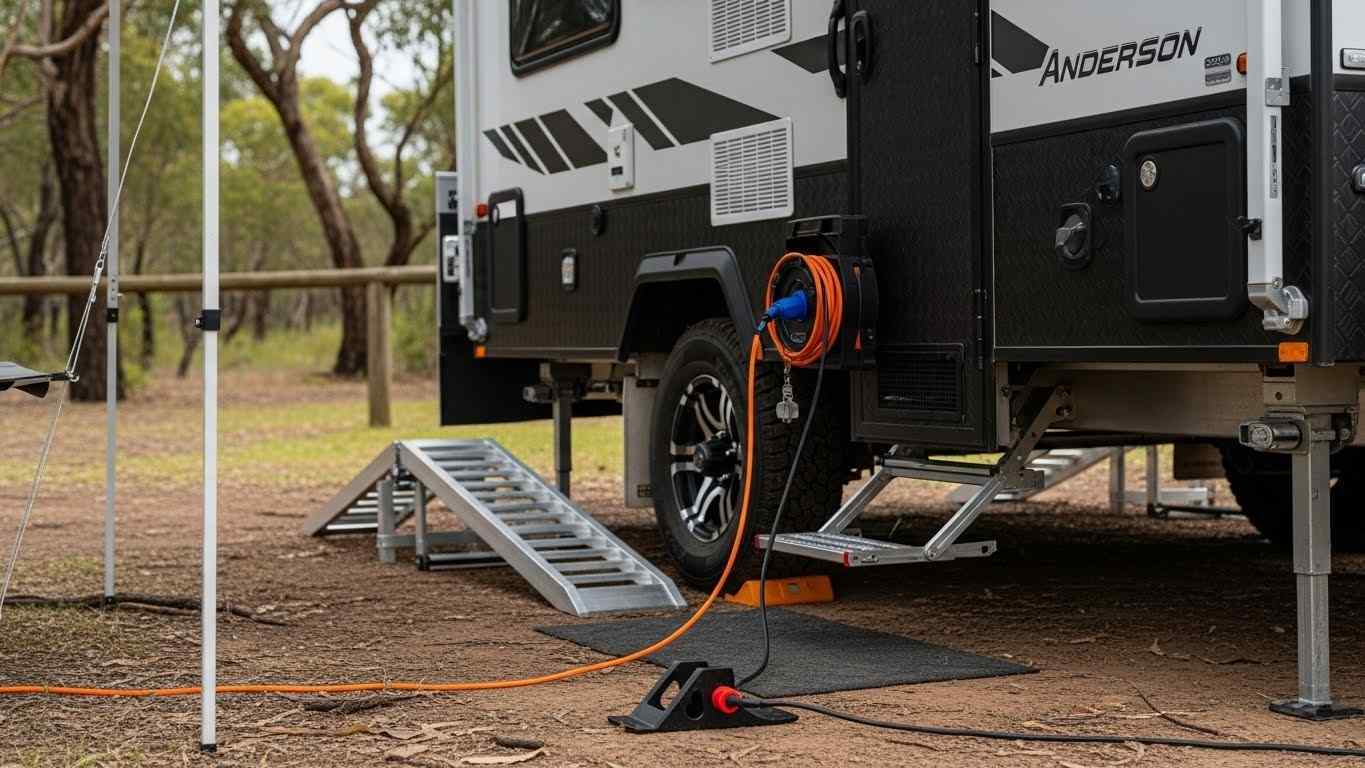
What Is an RV, Caravan, and Camper Trailer?
An RV is a general term given to motorised recreational vehicles that are fully equipped and have temporary living facilities. These vehicles include motorhomes designed for living and travel combined. The caravan is a non-motorised unit attached to the back of a car, thus drawing it. Caravans generally come with beds, kitchens, bathrooms, and storage spaces.
The camper trailers are different since they provide very light and compact living fold-out quarters. They suit off-road travel and budget-friendly touring experiences. In Australia, caravans dominate long-distance highway touring adventures. Camper trailers remain popular for regional and off-grid trips. Understanding what a caravan RV is helps beginners choose correctly.
Choosing the Right Tow Vehicle
Your tow vehicle must safely match your caravan’s rated towing capacity. Australian laws require staying within the manufacturer's towing limits always. Aggregate Trailer Mass determines how heavy your caravan becomes when loaded. Exceeding limits causes instability, brake failure, and insurance issues.
Large SUVs and utes remain common towing choices nationwide. Surveys show weight mismatches cause most towing-related breakdowns. Engine power matters less than braking and suspension capability. This towing guide for beginners stresses correct vehicle selection for safety.
Essential Towing Components You Must Understand
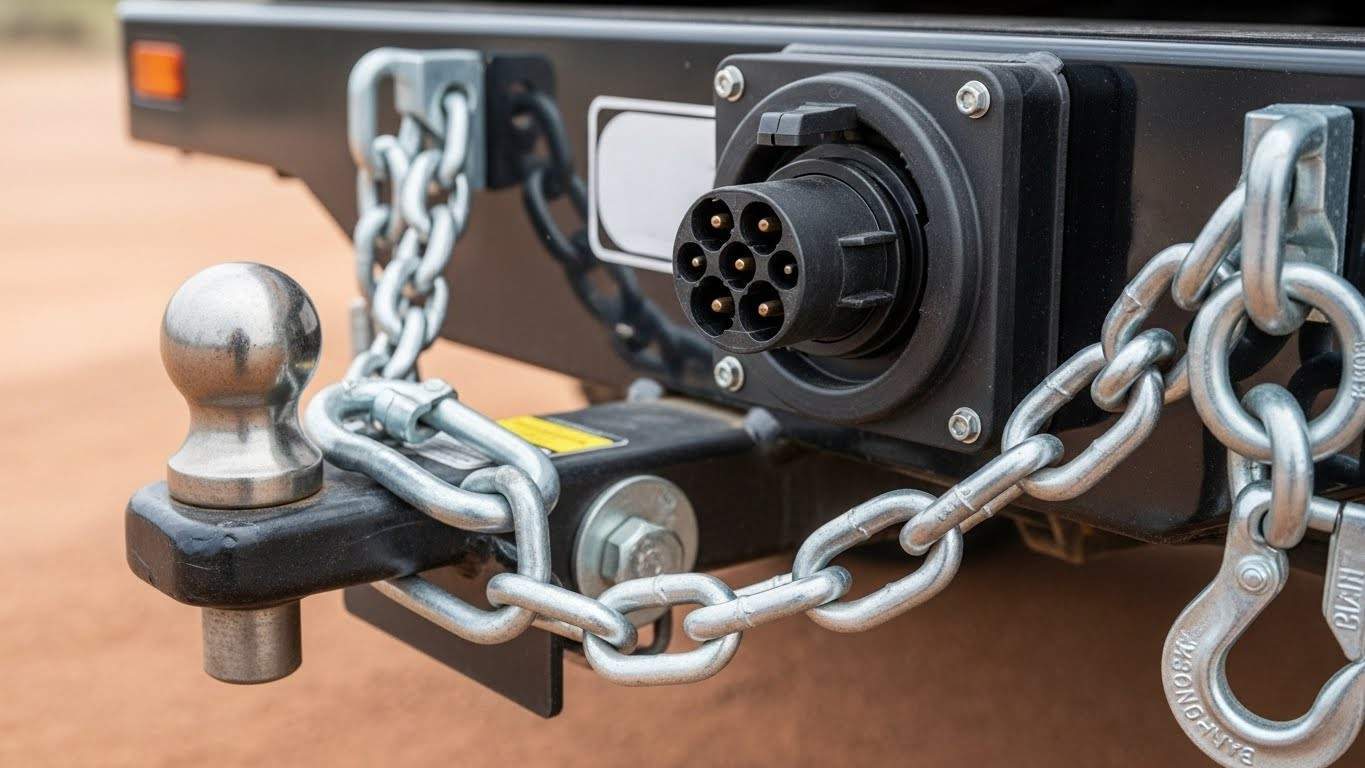
Safe towing requires several critical components working together correctly. Every setup needs a rated towbar matching your caravan's weight. A rated tow ball prevents unexpected failures under load. Safety chains act as backup if the hitch disconnects.
Electrical connections ensure indicators and brake lights function properly. Beginners often ignore cable routing and mounting security. Using proper holders reduces vibration damage on rough roads. Reliable towing accessories improve safety and reduce roadside issues significantly.
Your Electrical Connection Explained
Caravans rely on electrical systems for lighting and braking functions. Power connections also support charging and auxiliary caravan equipment. Most Australian caravans use 7-pin or 12-pin connectors. Larger setups require extra pins for fridges and batteries.
Poor wiring causes common lighting failures on corrugated roads. Strain on cables damages plugs and internal wiring connections. A proper RV electrical setup in Australia prevents disconnections and voltage drop issues. Quality mounts protect plugs from dust, water, and movement.
Trailer Plug Mounts & Brackets – What You Need to Know
Loose trailer plugs frustrate many first-time caravan owners. Without mounts, plugs bounce and disconnect while driving. Dirt and moisture also enter unprotected connectors easily. A secure trailer plug mount prevents these common problems.
Standard caravans commonly use 7-pin trailer plug mounts. Larger caravans require 12-pin mounts for extra power needs. Combination setups benefit from dual holders for organisation. This 7-pin socket guide helps beginners understand connection stability requirements.
Do You Need an Electric Brake Controller?
Trailers over 750 kilograms require braking systems under Australian regulations. Electric brake controllers synchronise vehicle and caravan braking. Heavier caravans legally require installed brake controllers. These systems significantly reduce stopping distances during emergencies.
Studies show incorrect brake setups increase stopping distances by thirty percent. Downhill braking becomes especially dangerous without proper calibration. Correct installation ensures smoother braking response and control. Every beginner towing heavy caravans must understand this requirement.
Breakaway Kit Requirements
Australian law mandates breakaway systems for caravans over 2,000 kilograms. This system activates caravan brakes if disconnection occurs. It prevents runaway caravans during hitch failures. Breakaway kits rely on onboard battery power to function.
Battery failure causes most inspection failures during roadside checks. The regular tests will ensure the system activates properly when required. Also, maintenance gives you the feeling of being legally compliant and safe. Beginners must set up routine checks before every long trip.
Must-Have Safety Accessories for First-Time RV Owners
The safety accessories give protection to the drivers as well as the caravans during the journey. The use of wheel chocks will prevent the caravan from unintentionally moving when it is parked. Towing mirrors improve visibility around wide caravans. Fire extinguishers add essential emergency preparedness.
Reverse cameras reduce collision risks while manoeuvring campsites. Electrical safety improves with secure plug mounting solutions. Many beginners source accessories through trusted towing accessories suppliers. Avoid improvised solutions that fail under constant vibration.
Setting Up at a Campsite
Proper campsite setup ensures comfort and stability after long drives. Stabilising legs prevent caravan movement during occupancy. Levelling ramps ensure appliances and sleeping areas remain functional. Power connections follow once the caravan sits level.
Off-grid travellers rely on Anderson plugs for battery charging. Secure mounting prevents connection loss during power transfer. Stable mounts protect connectors from weather exposure. Reliable setup reduces stress and improves campsite comfort significantly.
Maintenance Tips Every Beginner Should Know
The routine inspections may help to avoid most of the breakdowns during the long trips. Plug connections and cable insulation should be checked every time before departure. Brake response testing ensures safe stopping performance. Mounting brackets must remain tight and crack-free.
Australian data shows inspections reduce breakdown risks by forty percent. Dust and water cause serious damage to electrical systems. Sealed mounts prevent contamination in harsh environments. Consistent maintenance keeps caravans reliable and roadworthy.
Final Checklist Before You Tow Your Caravan or Camper
Stable plug mounts prevent last-minute electrical failures. The following checklist helps beginners avoid preventable roadside issues:
- Confirm tow ratings and caravan weights carefully
- Test all lights and braking systems thoroughly
- Secure plugs using mounted holders properly
- Check safety chains and breakaway systems
- Inspect tyres and adjust pressures correctly
- Confirm mirrors provide clear rear visibility
Conclusion
Caravan and camper travel offers unmatched freedom across Australia’s landscapes. Properly planned trips are not dependent on costly upgrades but rather on the elimination of planned activities. Beginners who understand towing, electrical systems, and safety enjoy smoother travel. Small details like secure plug mounting make the biggest difference long-term.
Exploring reliable towing accessories and connection solutions simplifies setup. Practical upgrades improve safety without complicating your caravan experience.
FAQs
What is the difference between a caravan and an RV?
A caravan requires towing, while an RV drives independently. Caravans offer flexibility and dominate Australian touring preferences.
Do I need a 7-pin plug for towing in Australia?
Most small trailers use seven-pin connections. Larger caravans often require twelve-pin connectors.
What type of towbar do I need for a caravan?
Your towbar must match the caravan's ATM ratings. Vehicle limits must always remain within legal specifications.
Why does my trailer plug keep falling out?
Poor mounting causes cable strain and movement. A quality plug holder prevents disconnections.
What accessories should beginners buy first?
Plug mounts, brake controllers, and mirrors matter most. Cosmetic upgrades should wait until safety improves.
Are 3D-printed trailer mounts reliable?
Purpose-designed mounts perform well when quality materials are used. Proper installation ensures durability in outdoor conditions.