

How to Choose the Right Trailer Plug for Your Vehicle & Trailer
19th Dec 2025
Towing has become a common practice among a significant number of Australians in recent times. The individuals use trailers for different purposes like work, travel, and weekend adventures. The presence of more than 800,000 registered caravans and camper trailers on Australian roads makes the decision of the right plug very significant. An effective connection ensures the proper functioning of lights and the uninterrupted flow of power. The right choice also helps meet safety rules on Australian roads. Many drivers overlook this small part of towing setups. However, the plug plays a major role in safe and reliable towing. This trailer plug guide explains everything in simple terms. It helps you choose the best option without confusion or stress.
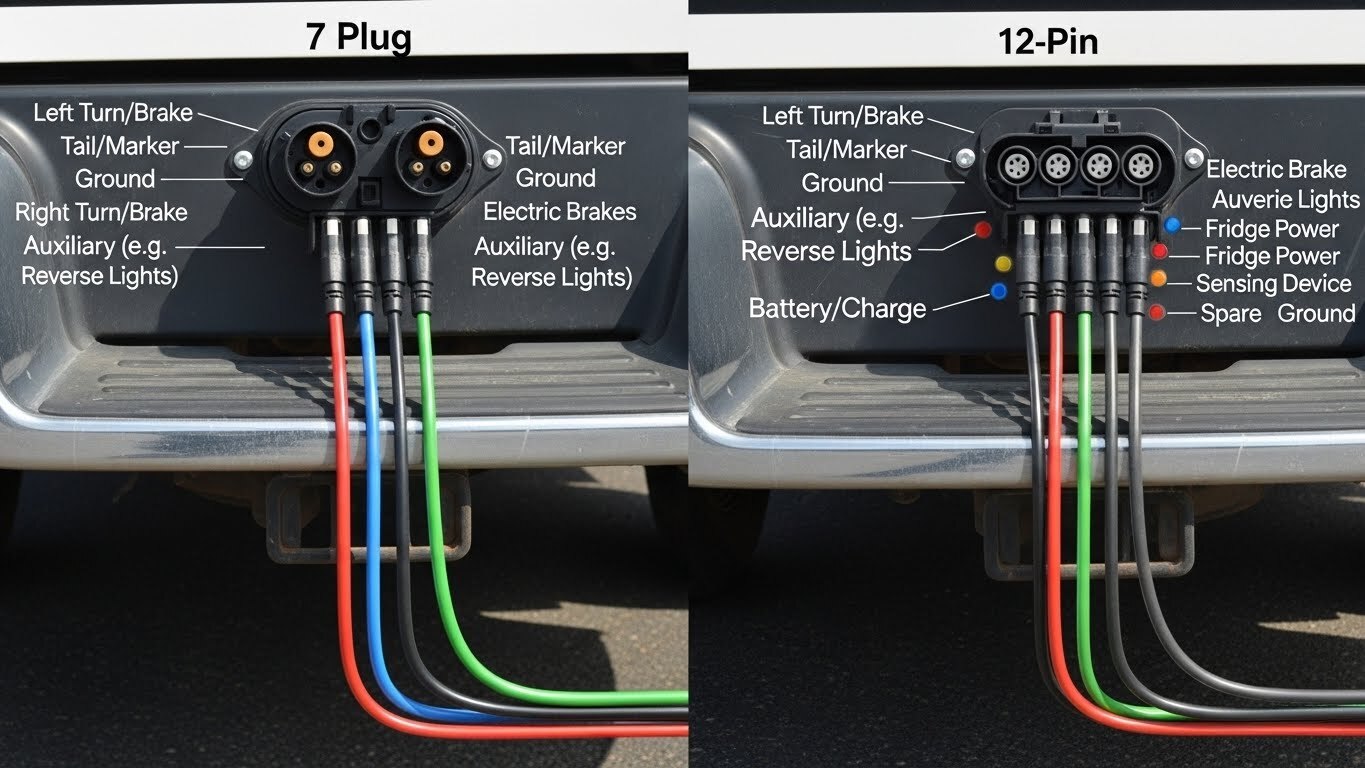
What Is a 7-Pin Plug?
A 7-pin flat plug is the most common option across Australia. This plug supports basic lighting functions needed for safe towing. It connects indicators, brake lights, tail lights, and the earth wire. Most box trailers rely on this simple connection. Boat trailers also use this plug because of its reliability. Smaller campers often work perfectly with this setup. The design keeps wiring straightforward and affordable. Many drivers choose it because repairs are simple and low cost. Proper mounting keeps the plug secure while driving. Off-road travel especially benefits from firm plug holders. This setup works well when electrical needs remain basic. It remains a trusted standard in trailer wiring Australia setups.
What Is a 12-Pin Plug?
A 12-pin flat plug builds on the standard 7-pin design. It adds extra pins for advanced electrical functions. These extra circuits support auxiliary power needs. Electric brakes connect through this system. Reverse lights also operate through added pins. Many caravans require these features for modern touring. Fridge connections often rely on the extra power supply. Larger caravans benefit from this expanded capacity. The setup supports safer braking and better control. Many owners choose dedicated mounts to reduce cable strain. Secure mounting also prevents plug damage during long drives. This option suits travellers with growing electrical demands. It plays a key role when comparing 7 pin vs 12 pin plug options.
What Is an Anderson Plug?
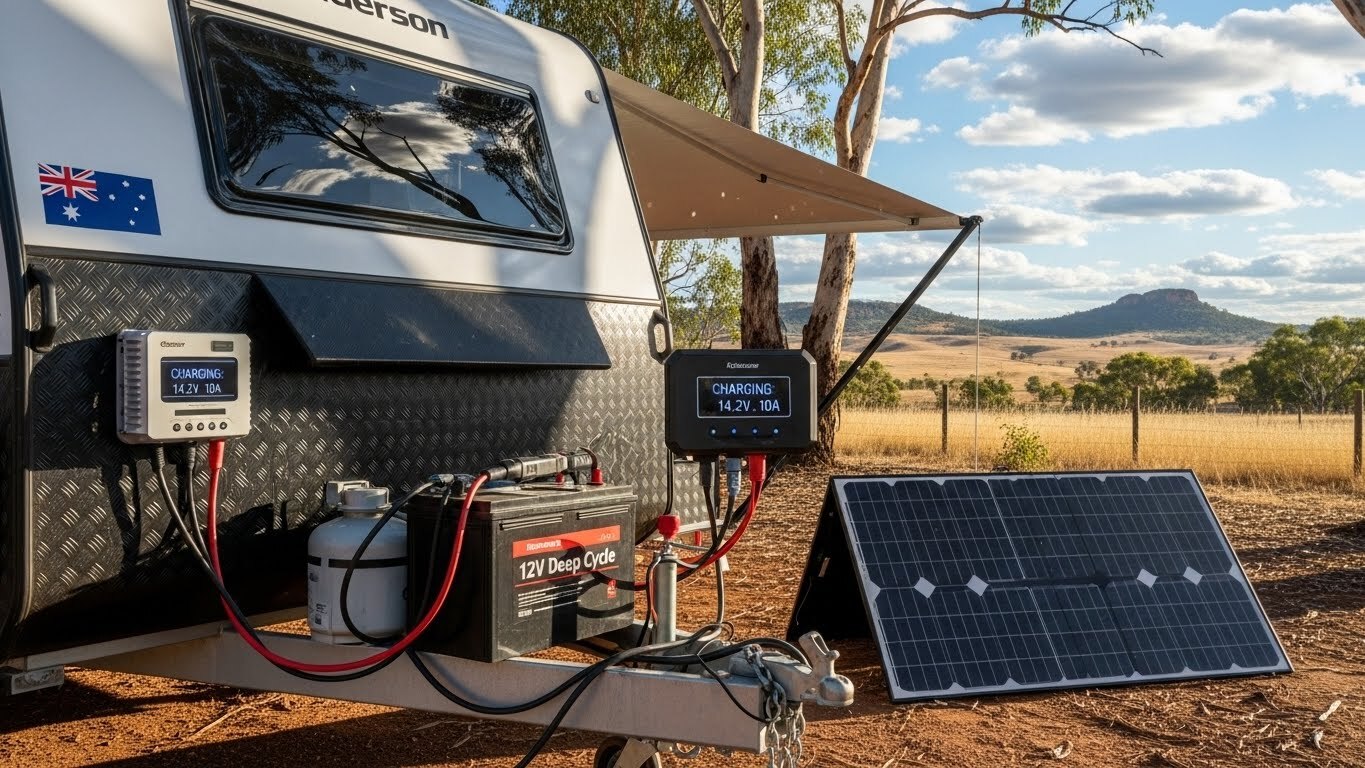
An Anderson plug handles high-current power transfer. It does not manage lighting functions. Instead, it focuses on charging and power delivery. This plug works alongside other trailer plugs. Caravans with onboard batteries often rely on it. Solar setups commonly use this connection. Fridges need steady power while driving long distances. The Anderson plug ensures consistent charging during travel. Many Australian caravans include this setup as standard. It supports modern touring lifestyles and extended trips. Installation must follow the correct guidelines to prevent overheating. Proper cable size ensures voltage stays stable. Understanding Anderson plug uses helps prevent power issues on long journeys.
Pros & Cons of Each Plug Type
Each plug type serves a different towing purpose. The right choice depends on how you use your trailer.
- A 7-pin plug stays simple and affordable and it supports lighting only and limits future upgrades
- A 12-pin plug supports extra power and braking systems and it requires careful wiring and compatible sockets
- An Anderson plug delivers strong charging power and it adds complexity and requires professional installation
Each option works best in specific situations. Knowing these differences avoids future frustration. Matching the plug to your towing needs improves reliability. It also supports better trailer plug compatibility across setups.
Which Plug Is Best for Your Vehicle or Trailer?
The right plug depends on trailer size and electrical needs. Small trailers rarely need more than basic lighting support. A 7-pin plug works perfectly for these setups. Touring caravans often demand more electrical capacity. Fridges, batteries, and brake systems require additional power. Many owners combine a 12-pin plug with an Anderson plug. This setup supports both lighting and charging needs. Australian towing data shows over sixty percent of new caravans include auxiliary power systems. This trend makes dual-plug setups increasingly common. Planning for future upgrades also matters. Choosing expandable options avoids rewiring later. This approach supports growing demands in caravan plug types.
Can You Upgrade or Retrofit Your Plug?
Upgrading a trailer plug is usually possible and practical. Many owners start with basic connections. Over time, electrical needs increase with accessories. Adding a 12-pin plug supports new features easily. Installing an Anderson plug helps with battery charging. Retrofitting improves safety and long-term reliability. Professional installation ensures correct wiring and secure connections. Using quality holders reduces vibration damage. Rough Australian roads increase strain on loose plugs. Secure brackets help prevent disconnections during travel. Long-distance touring especially benefits from strong mounting solutions. Retrofitting allows setups to evolve naturally. It keeps towing systems aligned with real-world usage needs.
Conclusion
Choosing the right trailer plug improves towing safety and performance. Reliable connections keep lights working and batteries charging correctly. As caravans become more advanced, electrical systems grow more complex. Understanding plug differences helps avoid costly mistakes. A well-matched setup suits Australian road conditions better. Simple planning now prevents problems later. Smart choices support smoother trips and safer towing experiences.
Reviewing your towing setup starts with checking plug compatibility. Many owners improve reliability by updating plugs and mounts. Exploring improved caravan parts helps reduce connection issues over time. Strong components support safer travel across long Australian roads.
FAQs
Can I connect a 7-pin plug to a 12-pin socket?
Yes, the first seven pins will function normally. Indicators, brake lights, and tail lights will still work. The extra five pins remain inactive without proper wiring.
Do I need an Anderson plug for battery charging?
Yes, caravans with batteries benefit from this setup. It provides steady charging while driving long distances. Fridges and solar systems also rely on this connection.
What if the plug type doesn’t match the trailer?
Adapters can help in short-term situations. Permanent matching plugs offer better reliability. Australian road conditions favour solid long-term connections.